

Learn the fundamentals of shipping and logistics, including freight forwarding, customs clearance, and multimodal transport for global trade.

Freight forwarders play a vital role in shipping and logistics as intermediaries between shippers and transportation services. They assist in the complexity of the shipping process, coordinating the movement of goods and ensuring compliance with regulations. Leveraging their industry expertise and streamlined paperwork, making them invaluable for businesses that rely on global trade.
Understanding these foundational concepts of shipping and logistics is essential for businesses seeking to optimize their operations and compete effectively in an ever-evolving marketplace. The synergy between transportation modes, supply chain management, and freight forwarding underpins a successful logistics strategy.
What is Shipping and Logistics?
Shipping and logistics form the backbone of global trade. While shipping refers to the physical movement of goods, logistics covers the broader process of planning, managing, and optimizing the flow of products from origin to destination.
Key Components of Logistics
Transportation – Moving goods via air, sea, rail, or road.
Warehousing – Storing goods before distribution.
Inventory Management – Tracking stock levels to meet demand.
Order Fulfillment – Ensuring timely delivery to customers.
The Role of Freight Forwarders
Freight forwarders act as intermediaries between exporters/importers and carriers. They handle:
- Customs clearance and documentation
- Cargo consolidation to reduce costs
- Negotiating freight rates with shipping lines
- Risk management through insurance
Importance of Customs Clearance
Without proper documentation, shipments can face delays or penalties. Key documents include:
- Bill of Lading
- Commercial Invoice
- Packing List
- Customs Declaration
Multimodal Transport Solutions
Modern logistics often uses multiple modes of transport:
- Air Freight – Fast but expensive
- Sea Freight – Cost-effective for bulk cargo
- Rail & Road – Essential for inland distribution
Why Logistics Matters in Global Trade
- Ensures timely delivery of goods
- Reduces costs through efficient planning
- Builds trust with international buyers
- Supports economic growth by connecting markets
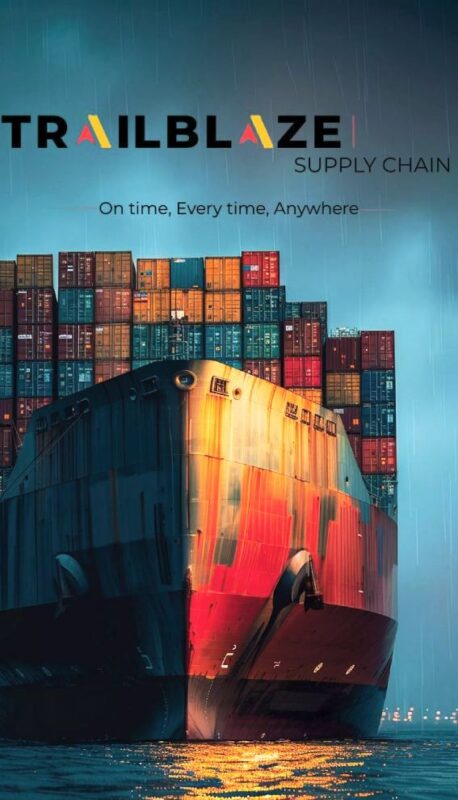
Shipping and logistics are not just about moving goods — they’re about creating reliable systems that connect businesses worldwide. Understanding the basics helps exporters, importers, and even consumers appreciate the complexity behind every product that reaches their hands.
One thought on “Understanding Shipping and Logistics – A Beginner’s Guide”